How to Photograph Movement: In-Camera and Photoshop Multiple Exposures at Cuckmere Haven

Multiple Exposure Photography Image of the Seven sisters from Seaford Head
Exploring Movement and Multiple Exposure at Seaford Head
My photo walk began at Seaford Head Nature Reserve, with free parking conveniently available at South Hill Barn. I set out with a bit of a mission that day — to explore how both in-camera and out-of-camera multiple exposure photography could interpret the movement of the sea, each in their own distinctive way.
Before long, you reach the famous cottages overlooking the Seven Sisters, those striking chalk cliffs that define the Sussex coastline. It’s such an iconic landscape photography composition - one that’s been photographed countless times - but I wanted to take a slightly different approach. Instead of including the cottages, I walked further up the hill to find my own perspective, seeking a more personal take on this classic Sussex coast view.
The first image I created was an out-of-camera multiple exposure, created in Photoshop with an additional background layer. I experimented with other compositions too, which led to the two images shown next. I loved the way the water formed beautiful squiggles — a visual rhythm that hinted at just how many waves were rolling in that blustery summer day. Still, I wasn’t entirely happy with the land composition. Photography composition is always subjective though, and you might see it differently!

A Multiple Exposure Image of the Seven Sisters and the sea.
Tweaking Multiple Exposure Images in Photoshop
The final image, however, felt just right. It was created in-camera, and for me, it truly encapsulates the beauty of the Seven Sisters cliffs and the restless sea. It wasn’t easy to capture — the wind was fierce, and keeping a consistent composition was a real challenge — but somehow it came together. I think this one really conveys the energy of the waves and the brilliant white of those iconic cliffs, showing how coastal landscape photography can beautifully combine movement and stillness.
I really liked the way there were squiggles in the water showing the huge amount of waves that there were on this summer day but I wasn’t as keen on the composition of the land. Of course all of this is subjective and you may disagree with me but the next image which was taken in camera really encapsulated for me the beauty of the Seven sisters and the sea. It was hard to do as it was really windy so keeping any kind of consistent composition was difficult - but it seemed to work. I think it’s captures the movement of the waves really well and the beautiful white of the cliffs.

A multiple Exposure Photography image of the Seven sisters
Down on the Beach
Next was down on the beach, where I continued my exploration of multiple exposure photography, producing two new images of the waves. The in-camera image is the one on the left, and I find that it has a stronger sense of movement than the Photoshop-edited version — though I do like both as representations of the ever-changing sea that day.
The waves were endless, rolling in one after another — small wave by small wave. It was such a privilege to stand there watching them, breathing in the salty air and soaking up the atmosphere. I can completely understand why people are drawn to seascape photography; it has such a calming, grounding effect. I could happily spend hours on that beach, simply watching the waves and letting my thoughts drift slowly through my mind.


Other Subjects to Photograph
While on the beach, I composed a few more images — from the intricate textures of the seaweed to the other visitors enjoying the quintessential British summer scene beneath the cliffs. I also experimented with more multiple exposure work on the groyne that stretched into the water, blending abstract photography techniques with texture in photography to create new interpretations of the landscape.
With my macro lens, there was endless potential for detail: the stones, the sea plants, the weathered wood, the sparkle of sunlight dancing on the water, and the resilient little plants growing between the pebbles. Macro coastal photography is such a joy — a chance to slow down and focus on the small details that tell the story of a place.
I’d definitely recommend Seaford Head as a wonderful afternoon (or morning) out. You can make your way back to the car park at the top of the cliffs, or, if you have two cars (and a friend!), carry on up to the Cuckmere Visitor Centre, following the beautiful meanders of the Cuckmere River. It’s a fantastic photo walk idea for anyone who loves exploring landscape or, as you can see multiple exposure photography, in the UK.

A Quintessential Summers day at Cuckmere Haven
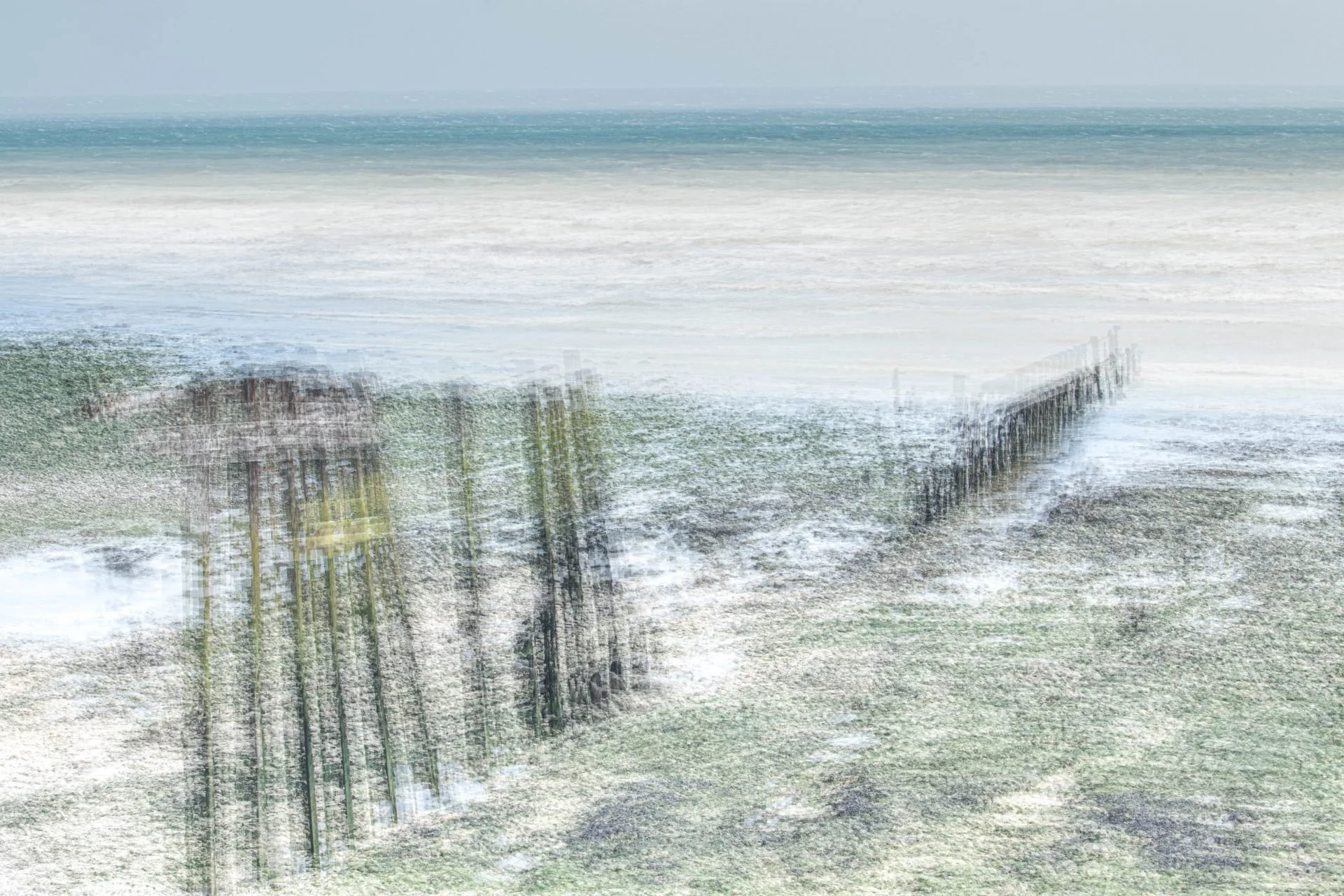
A Multiple Exposure abstract Image of a groyne at Cuckmere Haven
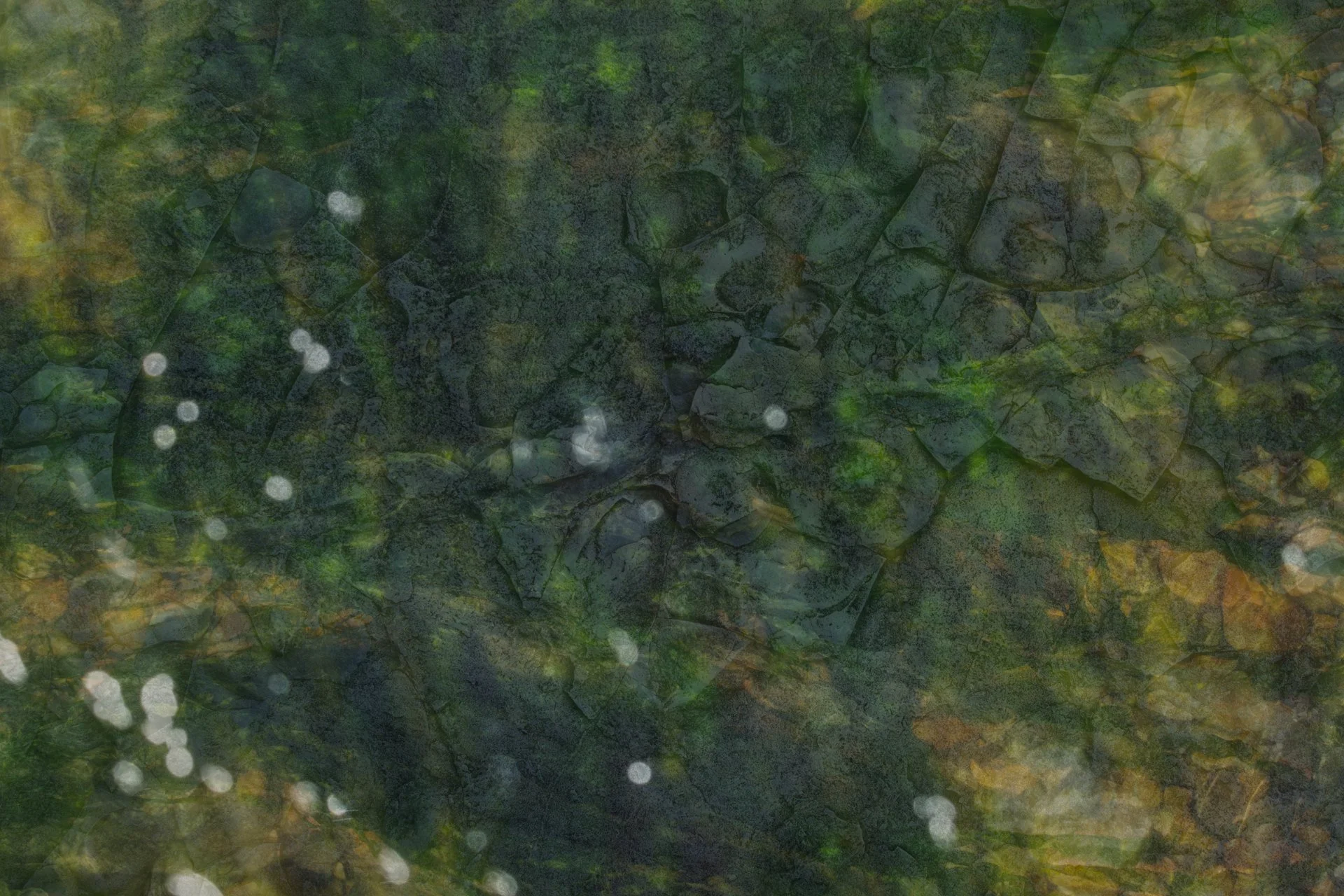
An abstract Multiple Exposure Image of seaweed taken at Cuckmere Haven and edited in Photoshop

A Multiple Exposure Image from the beach at Cuckmere Haven showcasing how this genre can make unique images.
Reflecting on the Day
It was one of those photo walks that reminded me why I love photography so much — the combination of creativity, fresh air, and connection to the landscape. The challenge of capturing movement through creative landscape photography gave me a new appreciation for both technique and intuition — sometimes the best results come when you simply allow the scene to guide you.
Join the Conversation
I’d love to hear your thoughts! Do you prefer in-camera or Photoshop-created multiple exposures? Leave a comment below and share what draws you to one or the other.
If you’d like to keep up to date with more multiple exposure photography ideas, and tutorials, do join my newsletter — it’s full of inspiration, community updates, and behind-the-scenes tips. For more of Multiple Exposure photography with a coastal theme have a read of this blog about Crosby beach or join me for an afternoon workshop there.
And if you’d like to develop your own photography composition and creative editing skills further, take a look at the courses and workshops I run throughout the year From multiple exposure to abstract photography and storytelling, there’s always something new to explore — and I’d love to see you there.