Inspirations: Birds as a Multiple Exposure Element

A Mutiple Exposure image of a tree with a chaos of birds.
When most people photograph birds, the birds are the subject. The aim is usually to capture detail, behaviour or a fleeting moment of wildlife. In my multiple exposure work, however as you may have noticed, I often use birds very differently. Rather than being the main feature, they become a compositional tool, adding movement, balance, texture and atmosphere to an image that might otherwise feel incomplete.
One of the reasons I return to birds so often is their ability to improve almost any scene. A simple landscape, a minimalist seascape or an abstract multiple exposure can sometimes lack a focal point or a sense of energy. The addition of birds can completely change that. A flock crossing the frame introduces direction and movement, while individual birds can help guide the viewer's eye through the composition.
When creating multiple exposures, I am always looking for ways to strengthen the final image. Sometimes the main photograph already has beautiful light, colour or structure, but it needs something extra to bring it to life. Birds are often the missing ingredient. This blog has been inspired by a week I teach on the skills course (not just limited to birds - but they are a large part of my examples!) If this interests you then do go and check it out by CLICKING HERE.
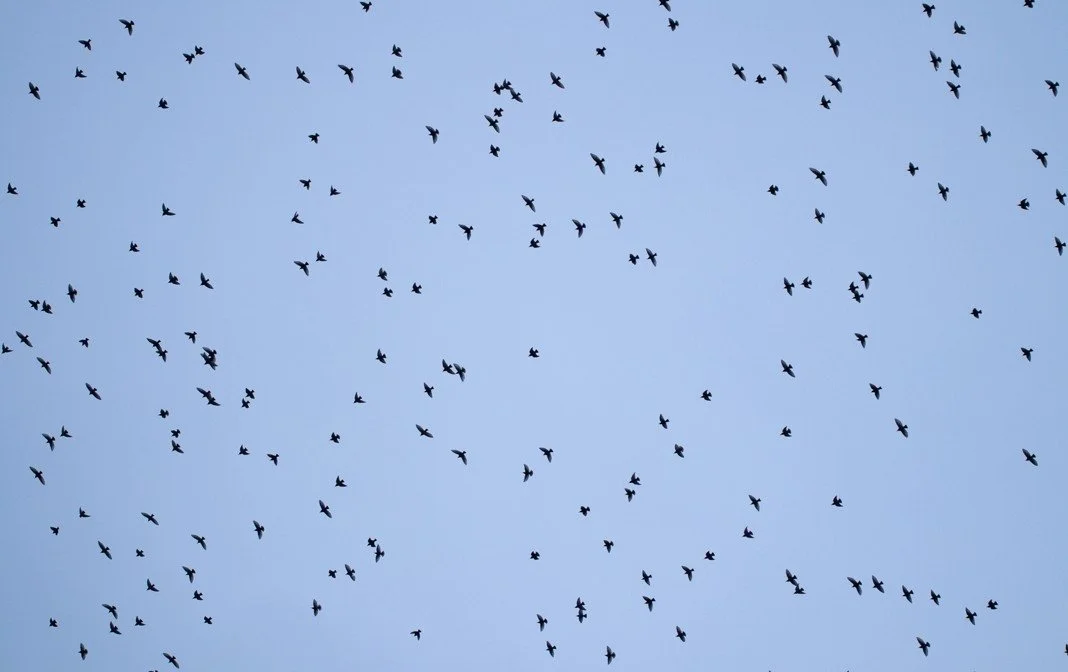
My favourite bird layer, from a starling murmuration in Brighton
Photographing the Bird Layers
The key is to photograph bird layers that can be used later as visual building blocks. I look for birds against a clean sky because this makes them easy to blend into other images. The background itself is rarely important; what matters is the shape, spacing and movement of the birds. A scattered group of gulls can create rhythm across an otherwise empty space, while a dense flock can add texture and complexity.
I particularly enjoy photographing seagulls and starlings because they offer very different possibilities. Seagulls are excellent for adding individual shapes and graphic elements to a composition. Their wings create elegant lines that can complement landscapes, architecture or other multiple exposure layers. Starlings, on the other hand, are capable of producing flowing patterns and organic forms that can transform large empty areas within an image.

A Multiple Exposure image showing a tree and a chaos of birds
Creating Chaos
One of the most effective uses of bird layers is the ability to introduce a sense of movement and apparent chaos into an otherwise tranquil scene. A calm landscape, minimalist seascape or peaceful woodland image can sometimes feel almost too static, lacking the energy needed to fully engage the viewer. By adding a flock of birds, you create a flurry of activity that contrasts beautifully with the stillness beneath it. The resulting chaos doesn't have to feel unsettling or negative; quite the opposite. The random flight paths, overlapping shapes and swirling movement can bring a wonderful sense of life and spontaneity to the image. The contrast between calm and motion creates an emotional tension that draws the viewer in, transforming simple tranquillity into something more dynamic and evocative. In many cases, the apparent disorder of the birds becomes a thing of beauty, adding atmosphere, rhythm and a sense of wonder that would be difficult to achieve in any other way.
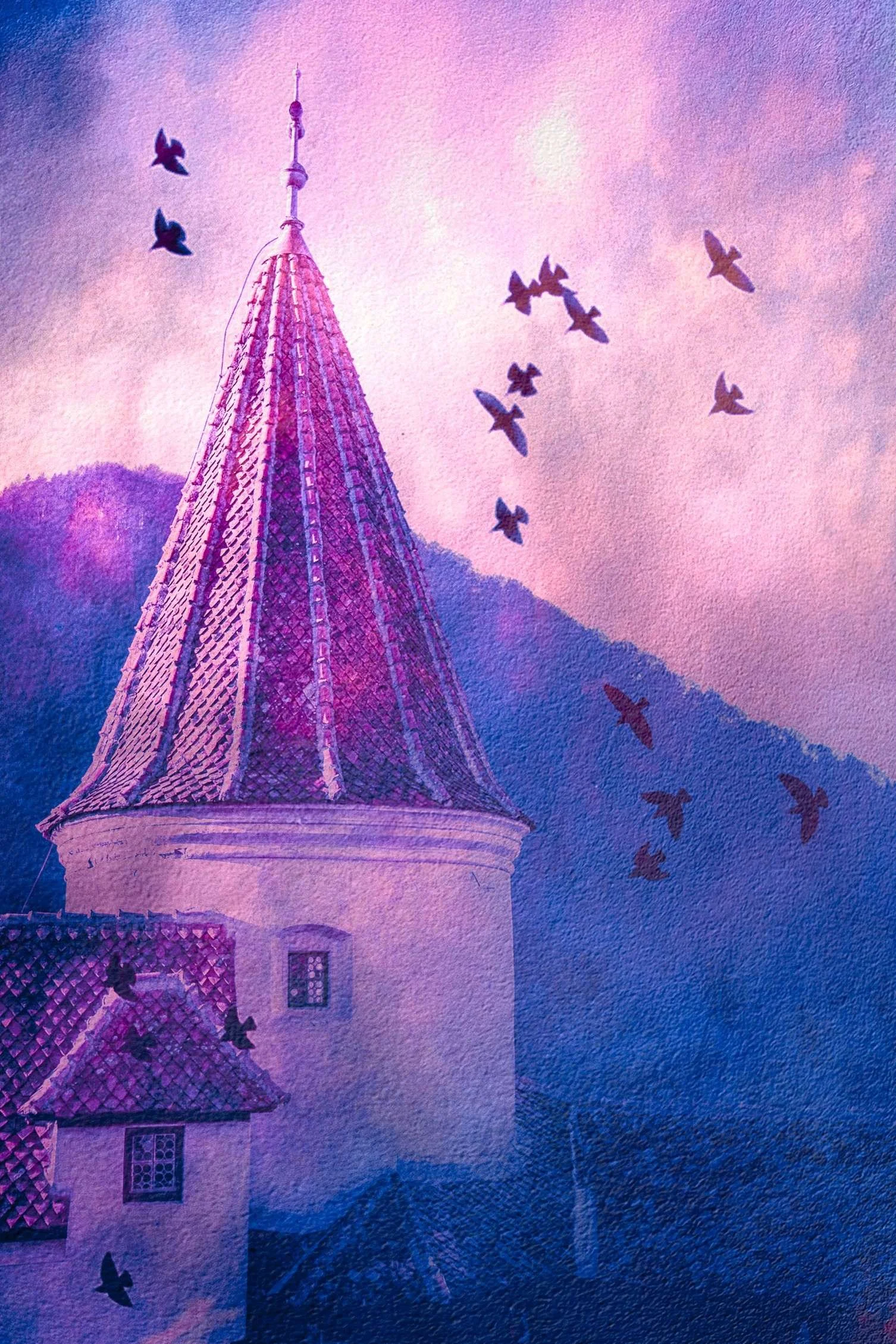
A Multiple Exposure Image of Bram castle in Romania - with extra birds for atmosphere.
Composition
One of the most common mistakes photographers make is trying to force every element in an image to compete for attention. Birds work best when they support the composition rather than dominate it. Think of them as punctuation marks within the frame. They provide emphasis, create flow and add interest without distracting from the main story.
Adding a carefully chosen bird layer introduces movement and helps connect different areas of the photograph. The viewer's eye naturally follows the flight path of the birds, creating a stronger visual journey through the image. Remember you don’t have to use the bird layer in it’s entirety. Most of the images where I use birds these days have many of them removed in post processing so that I am left with the formation I want.

A Multiple Exposure Image with the original subjects taken in Fuerteventura
Negative Space
In multiple exposure photography, birds can also help solve compositional problems. Large areas of negative space can be balanced with a small flock positioned strategically within the frame. Repetitive patterns can be broken up with a few well-placed silhouettes. Images that feel static can be given a sense of motion and life.
This is where experimentation becomes important. Rather than using the same bird layer repeatedly, I often try several alternatives. A sparse group of birds may create a subtle enhancement, while a larger flock can completely alter the mood of the photograph. Sometimes a single bird is enough. Other times the image benefits from dozens of overlapping shapes. You can also use brushes in Photoshop. These can quite easily be imported in from a third party or you can make your own. They are useful in the sense that you don’t have to delete so many of them if you are making a composition with only a few. The design of the brushes is hard to change however so the bird layer is more versatile. Which one do you prefer?
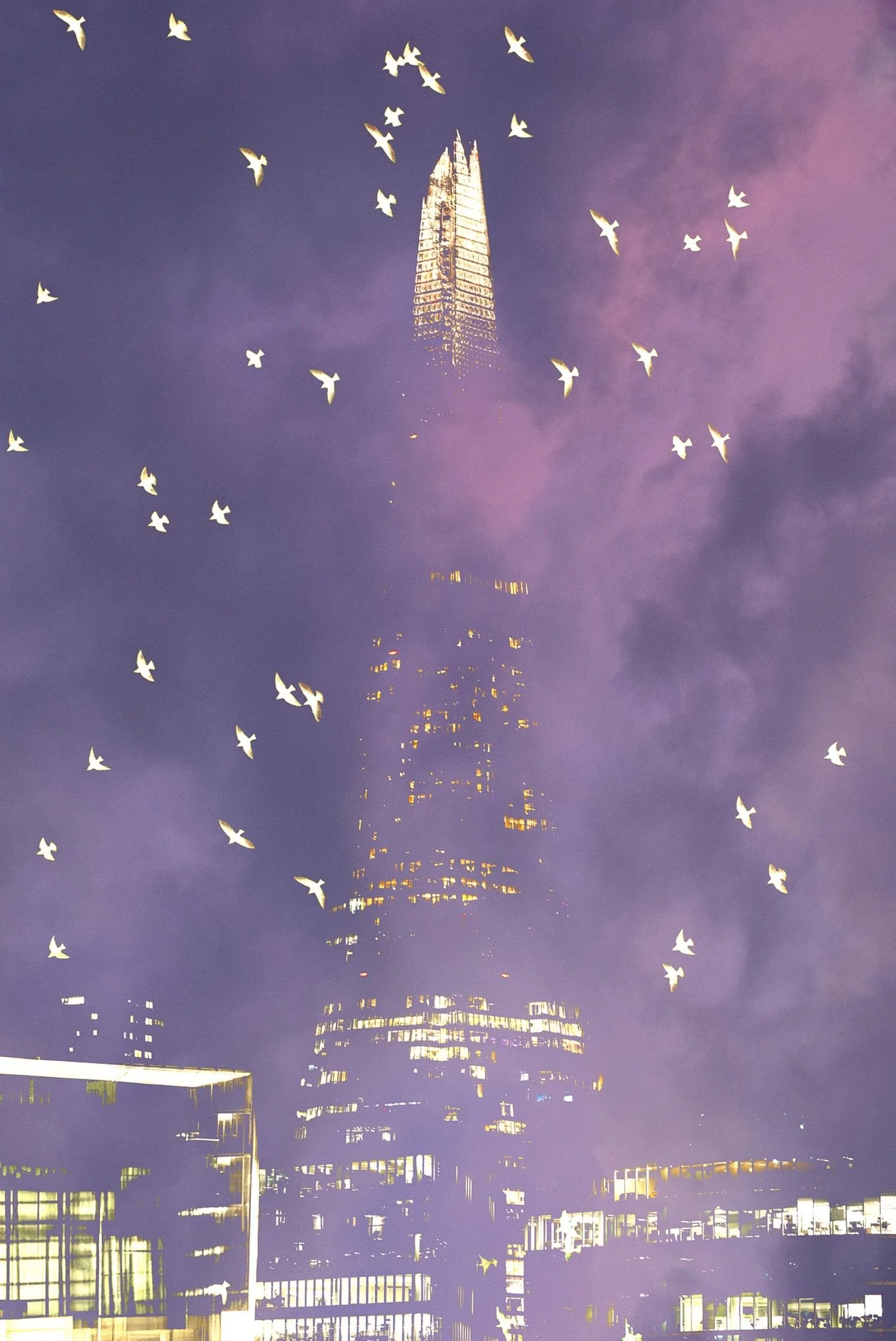
A Multiple Exposure Photography Image of the Shard
Blending Modes
Blending modes offer even more possibilities. Black birds, particularly starlings, can produce fascinating results when combined using modes such as Divide, Subtract, Exclusion or Difference. These techniques allow the birds to merge with the underlying image in ways that feel integrated rather than added on. Instead of appearing as separate subjects, they become part of the overall design.
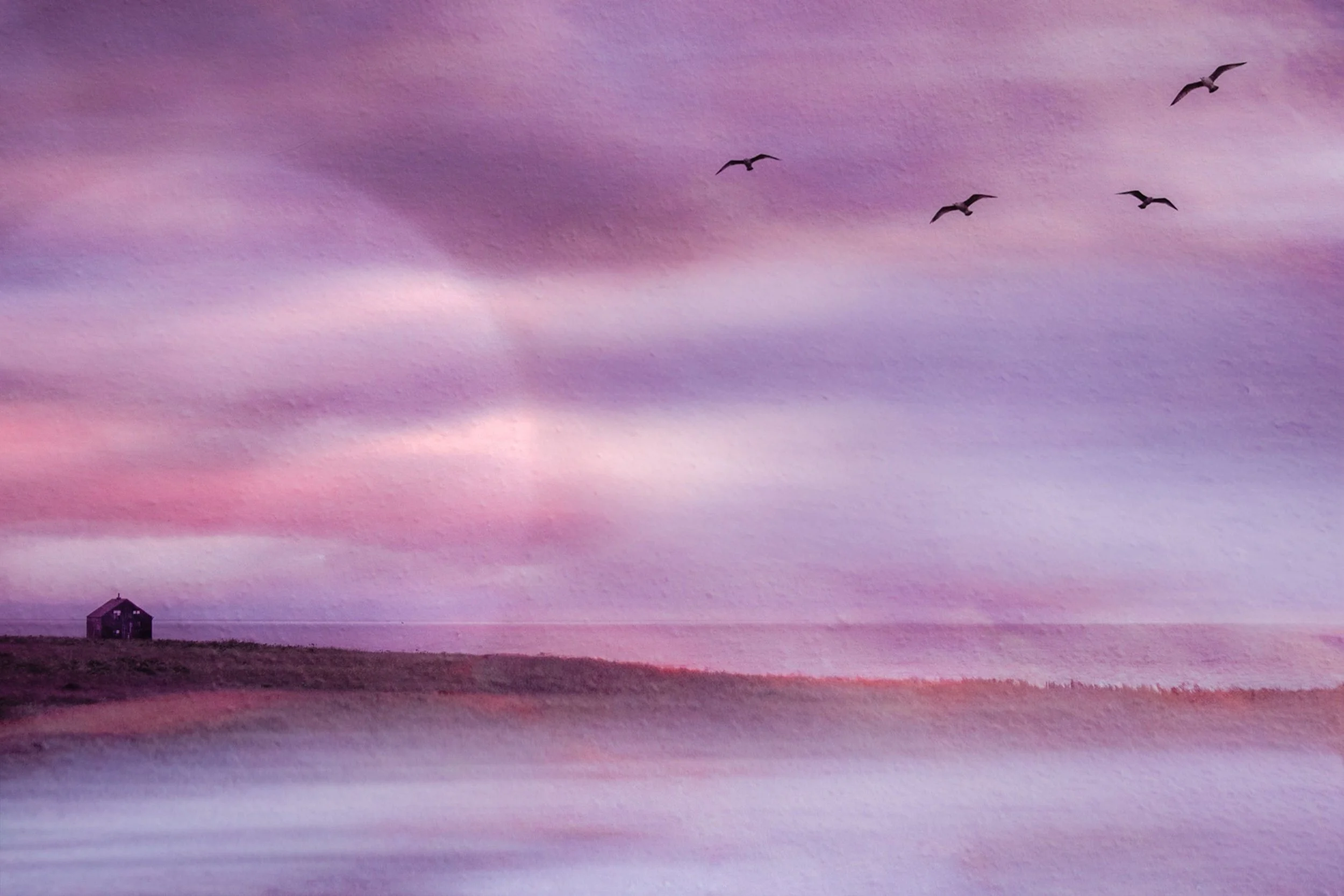
A Multiple Exposure Photography image in post processing of a hut in Iceland
Conclusion
What I enjoy most about this approach is its versatility. Birds can enhance landscapes, seascapes, woodland scenes, architecture and abstract images. They can add energy to calm compositions or provide balance to more complex ones. They are one of the most useful creative tools available to the multiple exposure photographer because they are endlessly varied and naturally expressive.
The next time you find yourself photographing a flock of birds, consider looking beyond the individual images. Instead of asking whether the bird photograph is successful on its own, ask how those birds might improve another image. Could they fill an empty sky? Create movement across the frame? Add texture to an abstract composition? Strengthen the balance of the photograph?
Often the birds are not the story. They are the element that helps tell it more effectively.
That shift in thinking can completely change the way you approach both photography and multiple exposure work. Rather than photographing birds as subjects, you begin collecting them as creative ingredients, ready to be used whenever a composition needs that final touch of life, movement or atmosphere.
If you have enjoyed this blog please do leave a comment below, join in the Creative Circle (CLICK HERE) or browse the courses and workshops available (CLICK HERE)