How to Develop a Photography Project: From Initial Idea to Finished Body of Work
Moving Beyond Individual Images
We all love taking a photograph that makes us do a little happy dance. But what happens when you want to take things a step further and bring a collection of images together into something more? Developing a photographic project gives you the opportunity to explore a subject in greater depth, experiment with different approaches and create a body of work that communicates something beyond the individual photographs.
Of course, coming up with an idea is one thing; turning it into a finished project is quite another! Where do you start? How do you know what to photograph? And how on earth do you decide which images to keep when you have a hard drive full of possibilities? The good news is that developing a project is a process, and there are practical skills you can learn along the way. Let's look at the steps involved in taking an idea from its early stages to a finished body of work.
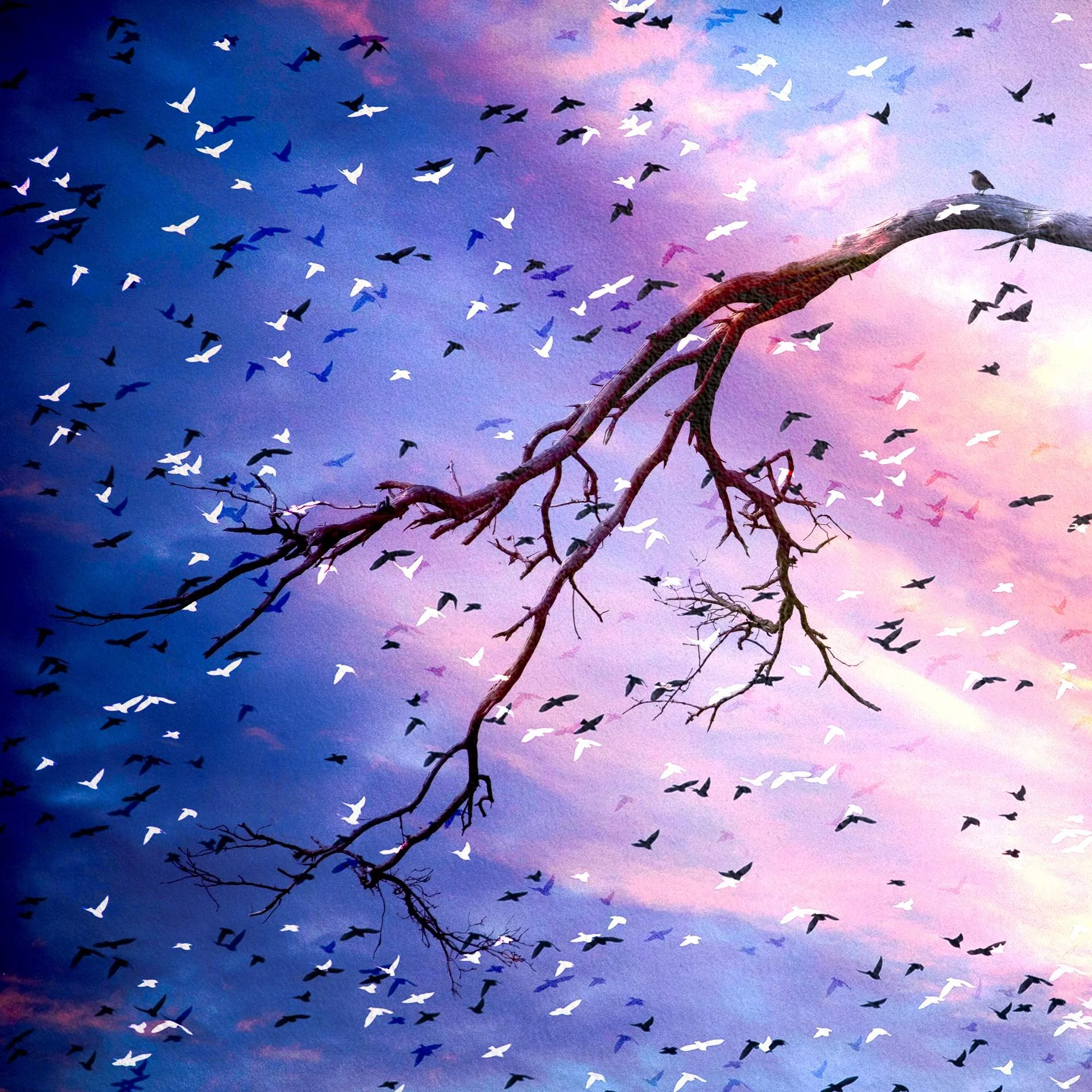
Multiple Exposure Photography Image: New Forest branch Reimagined
1. Start with an Idea You Want to Explore
Every photographic project begins somewhere. It might be a subject, a place, a personal experience, a particular emotion or a photographic technique. Perhaps you are fascinated by architectural shapes, the changing appearance of trees through the seasons or the way multiple exposure can transform an ordinary subject into something unexpected.
Your starting idea doesn't need to be groundbreaking. You don't have to come up with a concept that has never crossed another photographer's mind! What matters is that it interests you enough to keep coming back to it. Ask yourself what attracts you to the subject, what you want to discover and what you might communicate through your photographs.
It is also worth thinking about the scope of your project. Something as broad as nature could keep you busy until approximately the year 2047, whereas exploring the shapes of bare branches or the relationship between trees and their surroundings gives you a more manageable starting point.
You don't need to know exactly what your final images will look like. At this stage, you simply need an idea with enough potential to get you going.
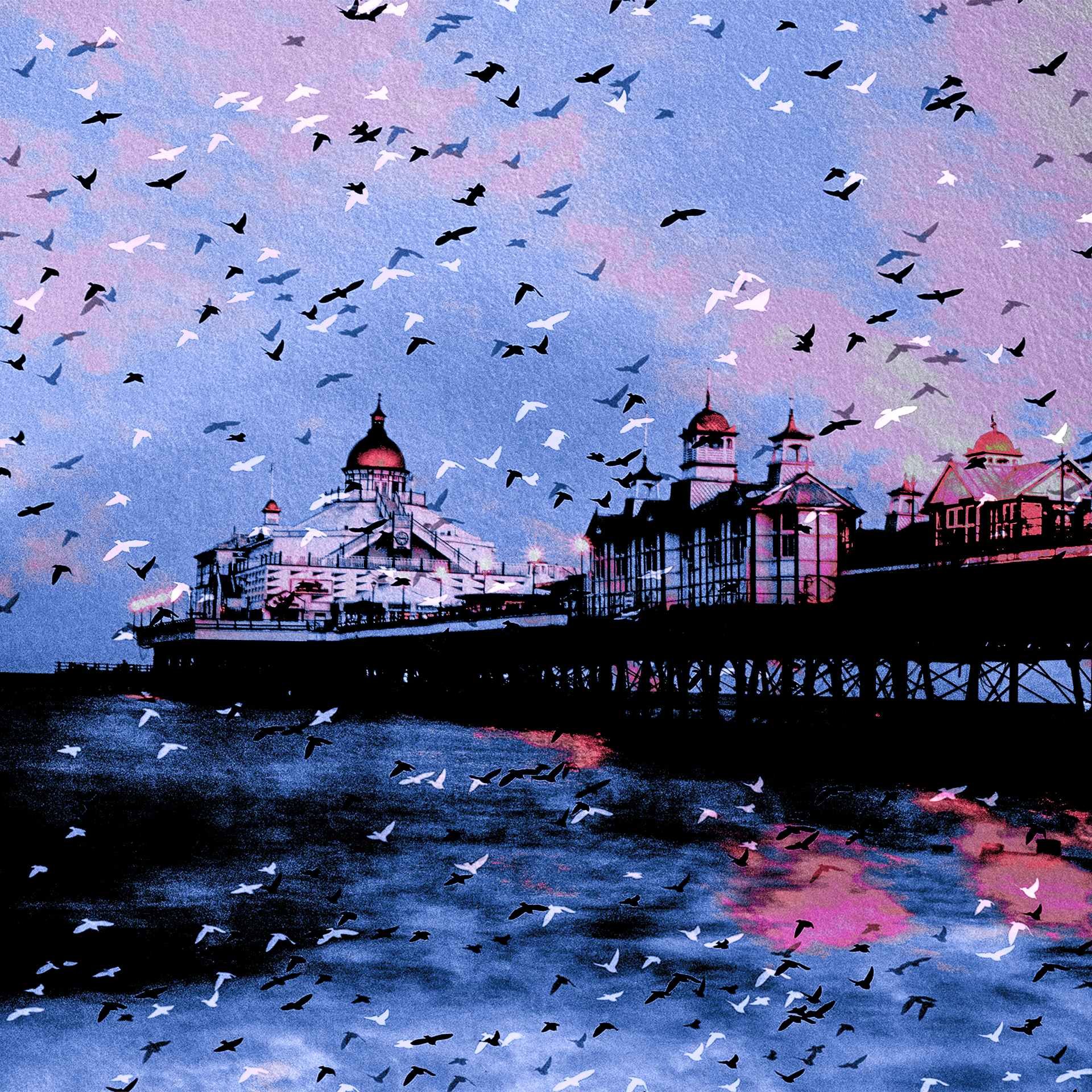
Multiple Exposure Photography Image: Eastbourne pier Reimagined
2. Research, Observe and Gather Inspiration
Before you head out with your camera, spend some time looking at your subject and considering how you might approach it. Research can introduce you to different ways of thinking about your idea, while exploring the work of other photographers and artists may spark possibilities you hadn't considered.
The trick is to take inspiration without simply copying what someone else has done. Think about what draws you to particular images. Is it the colour, composition, subject, mood or the way the photographs have been presented? Understanding what appeals to you can help you make more informed creative decisions in your own work.
Observation is just as important. Look at your subject from different angles, notice the details you might normally walk straight past and consider how it changes with light, weather or time. Keep notes, collect visual references or jot down ideas as they occur to you. You never know when that little thought scribbled on the back of an envelope might come in useful.
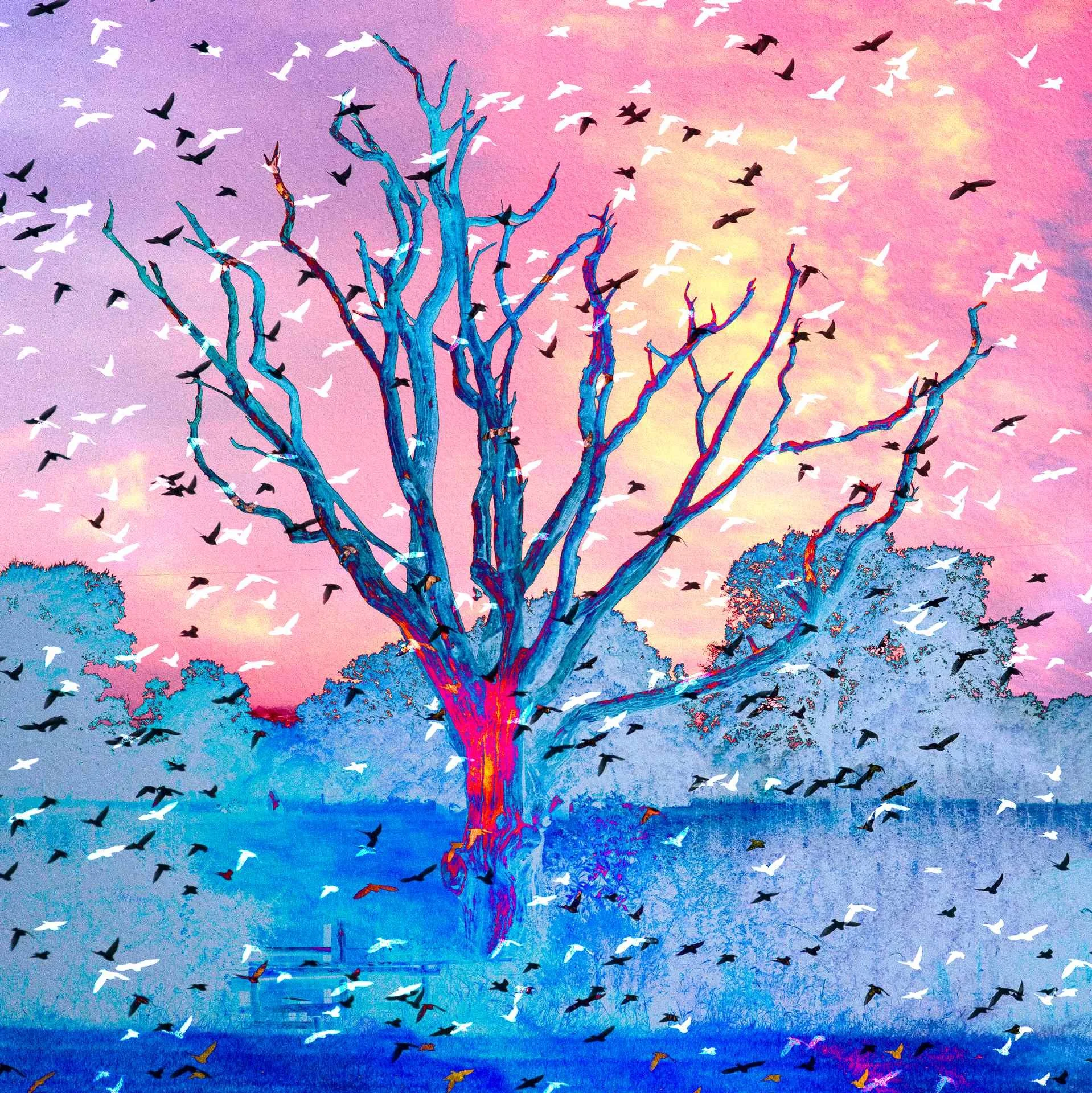
Multiple Exposure Photography Image: Shropshire Tree Reimagined
3. Experiment and Make Work
Now comes the fun bit: making photographs! With an initial direction in place, you can start exploring your idea in practice. You might have a clear picture in your head of what you want to achieve, only to discover that the photographs take you somewhere entirely different. That isn't necessarily a problem. Sometimes the unexpected results are where the most interesting ideas begin.
Give yourself permission to experiment. Try different compositions, change your viewpoint, explore different lighting conditions or investigate techniques that support your idea. If you're working with multiple exposure, for example, you might explore how layering, movement, colour or repetition can help you express your subject.
Not every photograph will be a masterpiece. Some may be downright awful, and that's absolutely fine! The purpose of experimentation is to generate possibilities, learn from what you make and discover which approaches have potential. If every experiment worked perfectly, we'd probably all be rather insufferable.
Return to your subject more than once, too. Repetition allows you to explore an idea in greater depth and compare different approaches. A body of work usually develops through making, reviewing and making again, rather than emerging fully formed from one particularly productive afternoon.
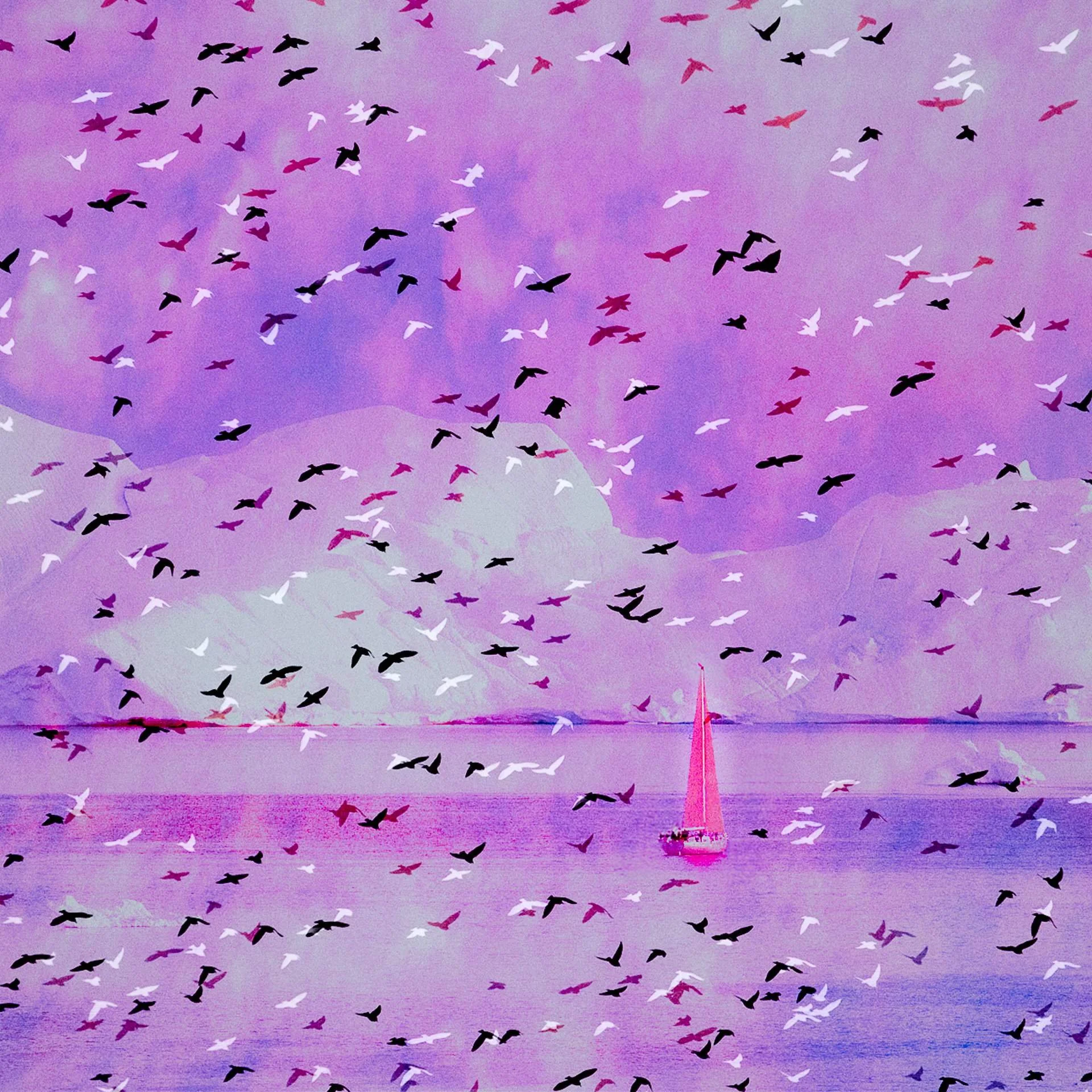
Multiple Exposure Photography Image: Disko Bay Reimagined
4. Review Your Photographs and Refine Your Direction
Regularly reviewing your photographs is an essential part of developing a project. This means looking at your images together rather than judging each one in isolation. You may begin to notice recurring colours, shapes, compositions or themes that suggest a clearer direction for your work.
Ask yourself which photographs relate most closely to your idea. Which ones have potential for further development? Are there gaps in the work? Perhaps you've explored one aspect of your subject thoroughly but haven't yet investigated another.
This process helps you decide what to photograph next. Instead of heading out and hoping for the best, you can identify specific questions to explore or approaches to try.
You also need to be prepared to change your original idea. Sometimes the strongest project emerges from something you discover along the way. That's not a sign that your original plan has gone horribly wrong; it's part of responding to the work you're making. Think of your idea as a starting point rather than a contract you must follow to the bitter end!
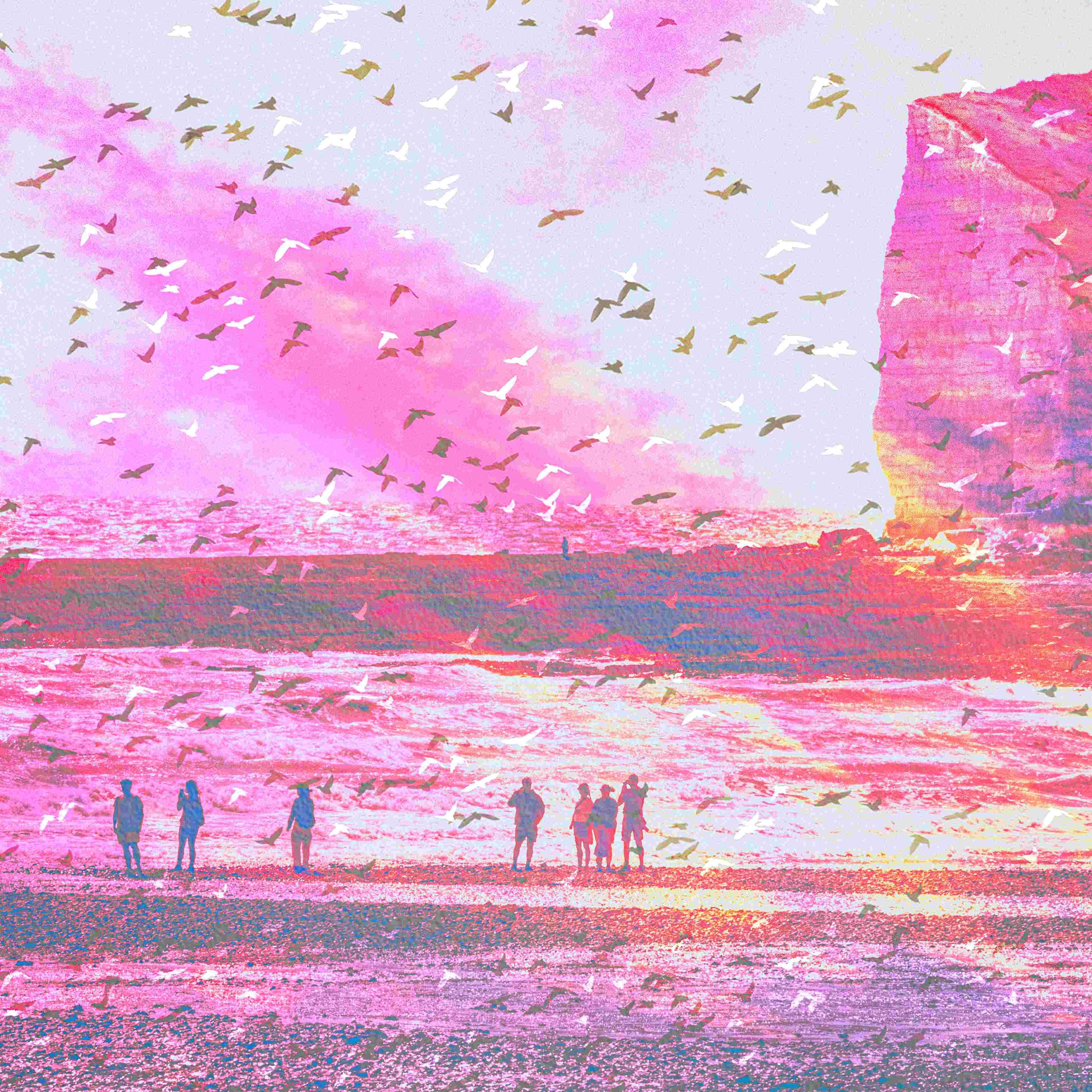
Multiple Exposure Photography Image: Cuckmere Haven Reimagined
5. Edit Your Images and Identify the Strongest Work
As your collection grows, you'll need to become more selective. Editing isn't simply about choosing your favourite photographs. It involves deciding which images contribute to the project and which ones are less relevant to the direction you've developed.
Start by looking for photographs that have a clear relationship to your idea. What does each image add? Does it introduce something new, develop an existing theme or create an interesting contrast? If you have twelve photographs doing exactly the same job, you probably don't need all twelve.
This can be harder than it sounds. We all have images we're rather attached to, perhaps because they were difficult to make, involved a particularly memorable trip or simply took ages to get right. But a photograph can be lovely in its own right and still not belong in your project. Sometimes you have to be a little ruthless. Your hard drive will cope, I promise!
Editing may also reveal that you need to make more photographs. Perhaps a theme needs developing or an image suggests an approach you'd like to explore further. This is why editing and photographing often go hand in hand. You may move between the two several times before the work starts to feel complete.
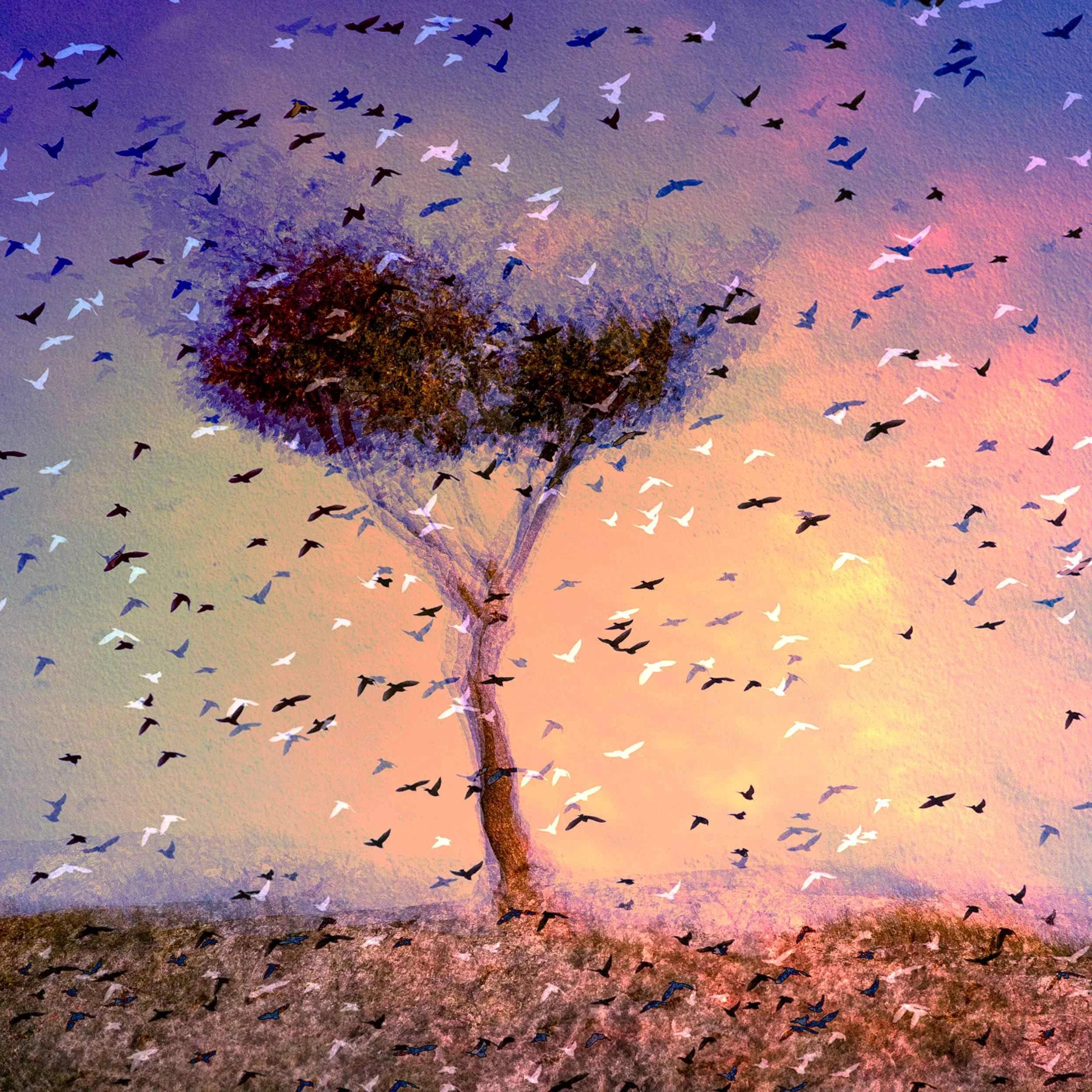
Multiple exposure Photography Image: Brännö tree Reimagined
6. Sequence Your Images into a Coherent Collection
Once you have a strong selection of photographs, it's time to consider how they relate to one another and in what order they should appear. This is known as sequencing, and it can have a significant impact on how your body of work is experienced.
Look for connections between images, including similarities in colour, shape, subject or mood. Consider whether one photograph leads naturally into another, whether you need moments of contrast and how the collection begins and ends.
Try different arrangements rather than assuming that the order in which you took the photographs is the obvious one. You might discover that an image becomes more meaningful alongside another, or that moving a photograph completely changes the rhythm of the collection.
The aim isn't necessarily to tell a straightforward story. Some projects develop through visual relationships, atmosphere or recurring ideas. What matters is that the photographs feel considered as a group and that their arrangement supports the direction of the work.
And yes, you may spend an inordinate amount of time moving photographs around, only to return to your original arrangement. That's part of the process, too!
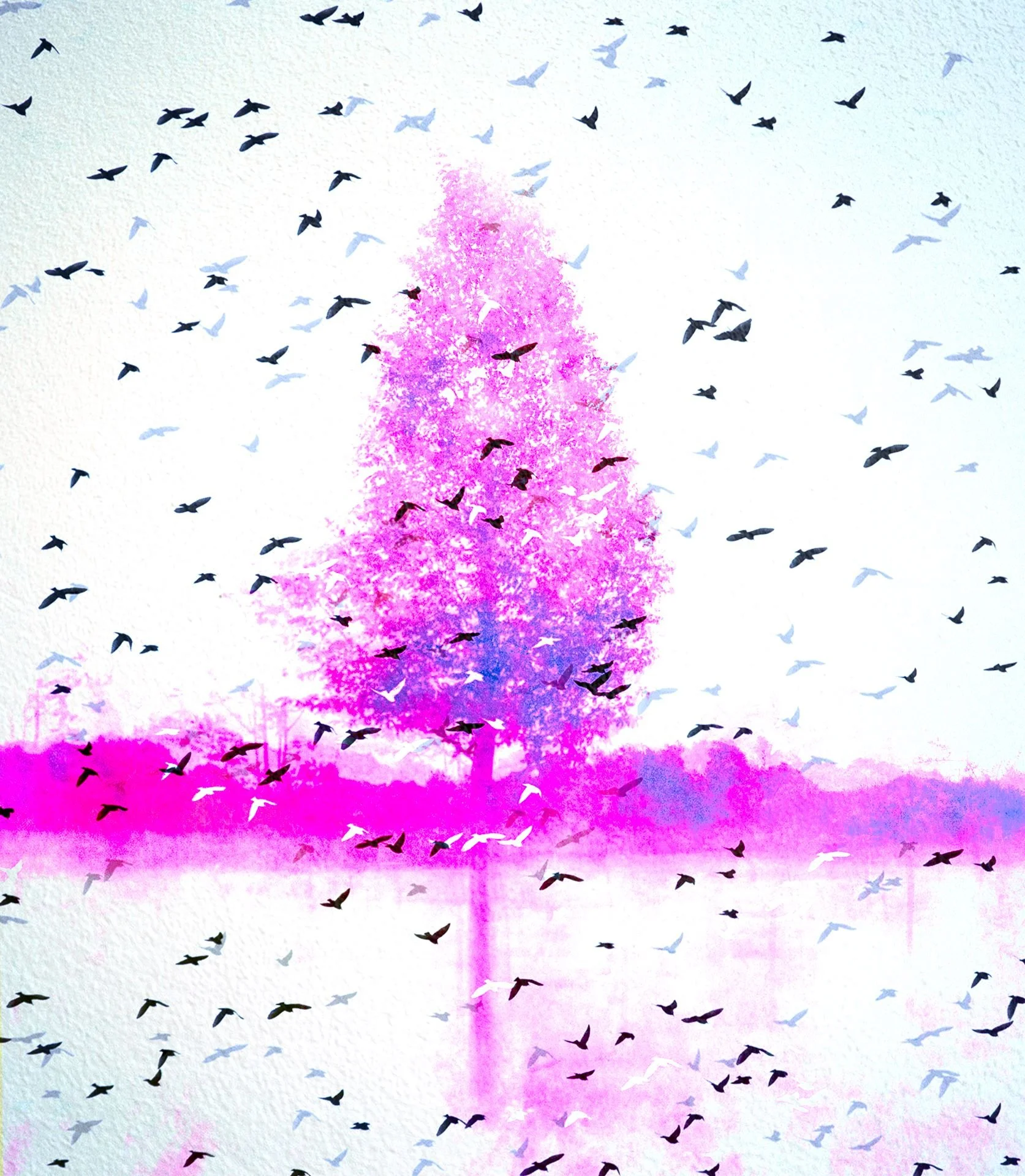
Multiple Exposure Photography Image: RHS Bridgewater Reimagined
7. Present Your Finished Body of Work
The final stage is deciding how to bring your photographs together and present them to an audience. This might involve a portfolio, an exhibition, a digital presentation or a photobook. The format will depend on the nature of the project and how you want people to experience it.
Creating a finished outcome encourages you to make decisions that can otherwise be postponed indefinitely. You need to settle on a final selection, consider the sequence and look at the collection as a whole. It's rather like finally tidying a cupboard: you have to decide what stays, what goes and whether you really need to keep that thing you've been holding on to for years.
Completing a project is valuable in itself. You will have taken an idea through several stages, learned to respond to your own photographs and developed practical skills in planning, experimentation, editing and presentation. These are skills you can carry into future projects, whatever subjects or techniques you choose to explore.
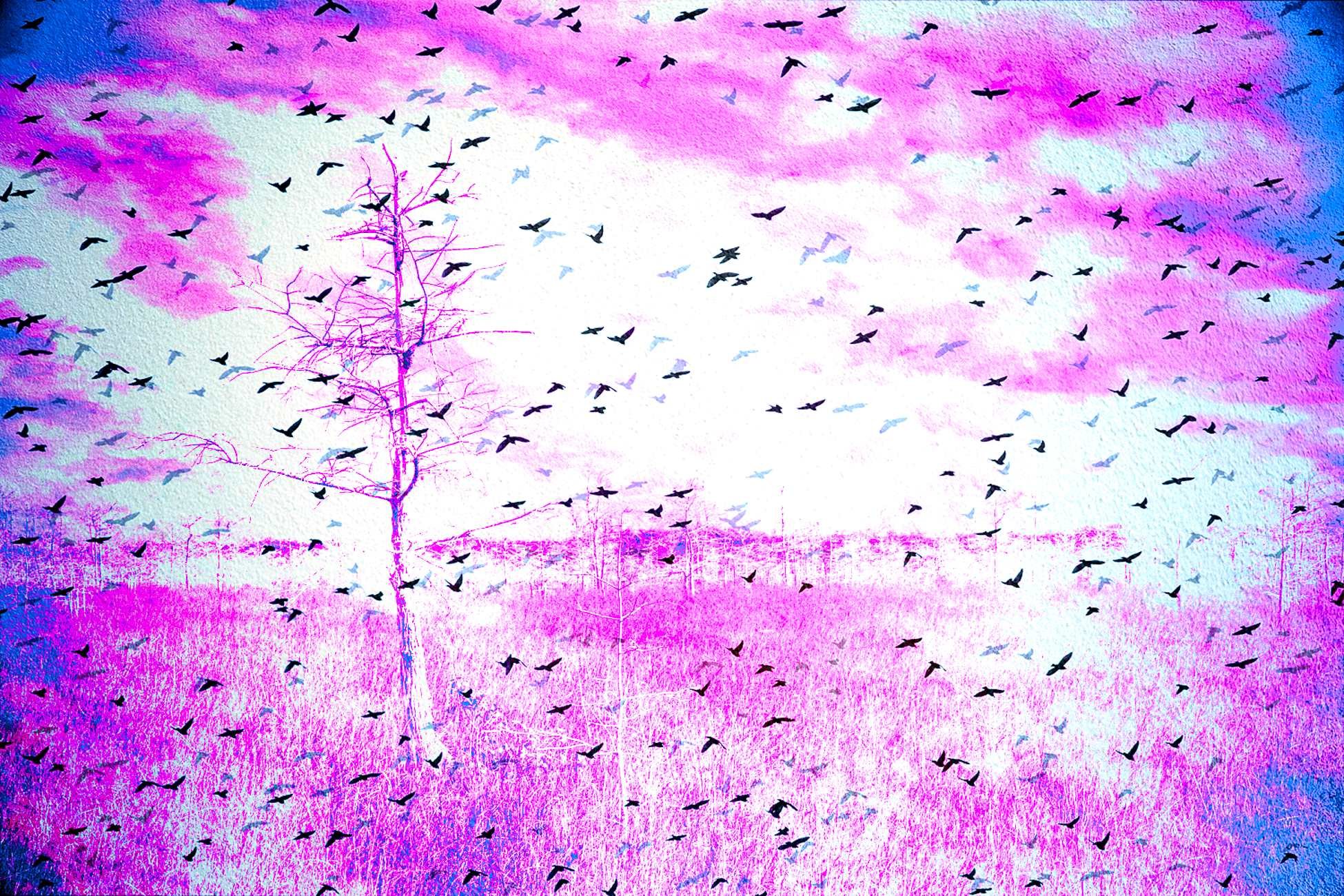
Multiple Exposure Photography Image: The Everglades Reimagined
Developing Your Project with Vision & Voice
Developing a body of work takes time, reflection and a willingness to make decisions. Vision & Voice Advanced offers a seven-month framework in which to explore and refine a personal photography project, working collaboratively with a small group of five other people, including me!
Throughout the process, we'll share our work, exchange ideas, offer constructive feedback and support one another as our individual projects develop. Having other people look at your photographs can be incredibly useful. They may spot connections you've missed, ask questions you hadn't considered or help you see an image in an entirely new light. Naturally, you'll have the opportunity to do the same for them, so it's a genuinely collaborative process.
The journey culminates in the submission of six final images for our collective Vision & Voice book. But the book is the outcome, not the whole point. The real value lies in everything that happens along the way: developing your idea, experimenting, reviewing your photographs, refining your direction and learning together how to bring a body of work to life.
Find out more about Vision & Voice
The images in this blog are from a project I did creating beauty from chaos. If you want to read about how I made these then do CLICK HERE
Please do write a comment if you have enjoyed this blog! Join in by connecting with the newsletter HERE